 Book now
 Getting to Drottningholm from Central Stockholm
Two easy ways to reach the palace from the city centre, plus how to build a full royal day around Drottningholm and Old Town Stockholm.
Drottningholm sits about 10 km west of central Stockholm, an easy half-day trip. Here is how to get there by year-round metro and bus or by scenic summer boat, and how to build a full royal day around it.
Two ways to reach Drottningholm
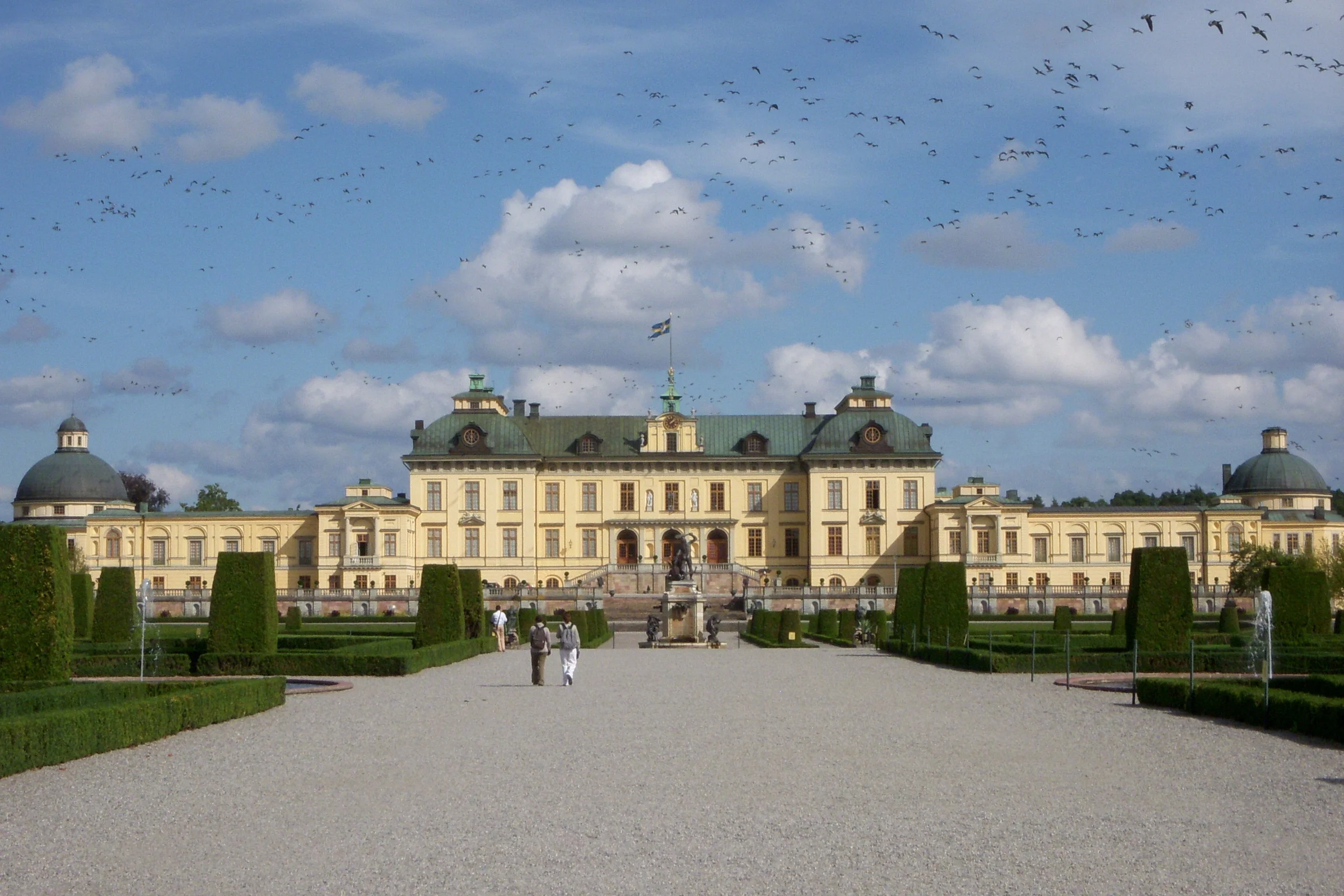
Drottningholm Palace stands on the island of Lovön, about 10 kilometres west of central Stockholm and reachable in roughly 30 to 45 minutes. Despite feeling like a countryside escape, it is genuinely close, and you have two good ways to get there. The first is the year-round combination of metro and bus — quick, frequent and weatherproof. The second is the summer sightseeing boat, which crosses Lake Mälaren from the quay beside Stockholm City Hall and turns the journey itself into a highlight. Choosing between them mostly comes down to the time of year and the kind of day you want. The one thing worth settling before you leave the city is your date. From May to September the palace opens daily; from October to April it opens on Saturdays and Sundays only and closes for most of December. Your ticket is then valid at any time during opening hours that day, so there is no entry time to race for — just leave yourself an hour or more inside, and allow time for the park and, in summer, the Chinese Pavilion. Below we walk through each route in turn, then show how to shape a full day and how to fold Drottningholm into a broader tour of royal Stockholm.
The summer ferry from Stadshuskajen
In the warmer months, sightseeing ferries run out to Drottningholm from Stadshuskajen, the quay beside Stockholm City Hall on Kungsholmen. It is the most memorable way to arrive: a leisurely cruise of about an hour across Lake Mälaren, past wooded shorelines, waterside villas and the occasional passing sailboat, before the palace reveals itself from the water exactly as its 17th-century builders intended visitors to see it. Approaching the Baroque facade and formal garden across open water gives you a sense of scale and setting that the bus simply cannot match, and it turns the trip into part of the day out rather than mere transit. Because it is a seasonal service tied to the milder weather, the ferry mirrors the rhythm of the palace's own high season, so it pairs naturally with a summer visit when the Chinese Pavilion and the gardens are at their best. Confirm current sailing times and fares with the boat operator on the day, as schedules shift with the season and we do not ticket the cruise. A few practical notes make the crossing smoother. Sailings are weather-dependent and popular on fine days, so arrive at the quay in good time. Bring a light layer even in summer, as it can be breezy out on the lake, and a sunny spot on deck is worth claiming early. Build the roughly one-hour crossing plus a short walk from the jetty into your day; your palace ticket is valid all day, so the only clock to watch is the return sailing. Many visitors find the ideal rhythm is to sail out in the morning, tour the palace and wander the park through the middle of the day, then return to the city by the quicker land route in the afternoon, getting the scenery of the water and the efficiency of the metro in a single outing.
The year-round metro and bus route
When the boats are not running, or when you simply want speed and certainty, the metro-and-bus route gets you to Drottningholm all year in about 30 to 45 minutes. Take the Stockholm metro (tunnelbana) to Brommaplan on the green line, then change to a bus to the Drottningholms slott stop, right beside the palace grounds. The simplest way to find the current bus and departure is to search for "Drottningholms slott" in SL's journey planner. The whole trip runs on ordinary Stockholm public transport, so one SL ticket covers the metro and bus alike — but buy it in the SL app before you set out, because tickets are not sold anywhere at Drottningholm, and make sure you can travel back too. This is the dependable option from October to April, when the palace opens at weekends only, and it works just as well in summer for anyone who would rather not depend on sailing times. Buses run frequently through the day, so you have flexibility in when you leave the centre; check the return departures before you settle into the park. A useful pattern in summer is to travel out by metro and bus and save the boat for a relaxed journey home, or the other way round.
Building a day at Drottningholm
Drottningholm rewards a half-day at least, and a full one if you can spare it. The natural centre of the visit is the Palace itself, where the Baroque and Rococo state rooms unfold in sequence: the grand staircase, Karl XI's Gallery, Queen Hedvig Eleonora's State Bedchamber, the library and the state apartments, all shaped by the Tessin architects from the late 1600s. Your ticket is valid all day, so you can go in whenever suits you; give yourself roughly an hour to an hour and a half inside, unhurried. When the Chinese Pavilion, Kina slott, is open — daily from June to August and at weekends in May and September — it is the essential companion to the palace: an exquisite Rococo pleasure house set out in the park, a European fantasy of China built in the 1760s, and a combined Palace plus Chinese Pavilion ticket lets you see both in one visit. It sits a pleasant walk from the main building through the grounds, so factor in the stroll each way. Between and around these interiors, the Baroque garden, the English landscape park and the wider grounds are free to walk and genuinely worth the time, with clipped parterres, avenues and quieter wooded paths that make an ideal picnic or a slow wander after the state rooms. You will also pass the Court Theatre, the 18th-century playhouse whose original stage machinery still works; it is run separately and tours are sold on its own site, so we point it out only as something to admire from the outside or look into on your own. A comfortable shape for the day is palace first, then the Chinese Pavilion, then the park, before heading back to the city with the afternoon behind you.
Combining Drottningholm with royal Stockholm
Drottningholm is one chapter of a wider royal story, and it slots neatly alongside the great sights of central Stockholm. The most obvious pairing is the Royal Palace in Gamla stan, the Old Town, the monarchy's official residence in the heart of the city and a striking contrast to Drottningholm's lakeside calm: one is the ceremonial urban seat, the other the summer residence out on Lovön, and seeing both frames the full sweep of the crown's presence in Stockholm. Just across the water from the Old Town stands Stockholm City Hall, whose waterfront happens to be where the Drottningholm ferry departs, so the two connect with pleasing symmetry, the same quay serving city landmark and lake cruise. Gamla stan itself deserves unhurried time on foot, a compact maze of medieval lanes, ochre facades, cafes and the narrow alleys that make Stockholm's old core one of Europe's best-preserved. A short way off, on the island of Djurgården, the Vasa Museum houses the salvaged 17th-century warship that sank on its maiden voyage, a single astonishing object from the same royal century that built Drottningholm and a natural thematic partner to a palace day. Because Drottningholm draws you west of the centre while these sights cluster in and around the Old Town and Djurgården, it is easiest to give the palace its own outing, morning or afternoon, and dedicate separate time to the city cluster rather than trying to chain everything together in a rush. We have not stated opening hours or prices for these other sights here, since they vary; check each on the day. The takeaway is simply that Drottningholm and central Stockholm's royal landmarks are complementary, not competing, and a well-planned visit makes room for both.
A one-day plan
If Drottningholm is all you can fit into a single day, here is a relaxed way to shape it that still leaves the evening for the city. Choose an open day on our calendar and book the Palace ticket, adding the Chinese Pavilion if you are visiting in its summer season. In summer, walk to Stadshuskajen beside City Hall and take a sightseeing boat across Lake Mälaren, arriving at the palace jetty with the setting laid out ahead of you; outside the boat season, take the metro to Brommaplan and the bus to the Drottningholms slott stop, with your SL ticket bought in the app beforehand. Aim to arrive in the morning. Tour the Reception Halls first, then walk out to the Chinese Pavilion if it is open, then let the Baroque garden and the landscape park fill the middle of the day; there is a restaurant and café on the estate, or bring a picnic. Mid-afternoon, head back towards the city by bus and metro. Back in the centre with the afternoon still open, drift into Gamla stan for a wander through the Old Town's lanes and a look at the Royal Palace before dinner. Because your ticket is valid all day, nothing on this plan is tied to the clock — the only fixed point is the date, so settle that first.
A two-day plan
With two days you can give Drottningholm and royal Stockholm the space they each deserve without hurrying either. Devote the first day to Drottningholm as a proper excursion. Book the Palace ticket for an open day, take the summer boat out from Stadshuskajen for the scenic crossing, or the metro and bus year-round, and spend the whole day on Lovön: the Reception Halls first, then the Chinese Pavilion if it is open, then a long, unhurried wander through the Baroque garden and the English landscape park, with a picnic somewhere quiet. Return to the city in the late afternoon by the quicker land route and keep the evening easy. Reserve the second day for the city's royal and historic core, all of it walkable or a short ride apart. Start in Gamla stan with the Royal Palace and the Old Town's medieval lanes, cross to admire Stockholm City Hall on the waterfront where your ferry set off, and give a good block of time to the Vasa Museum on Djurgården, whose salvaged 17th-century warship speaks to the very century that raised Drottningholm. Splitting the two days this way means the palace never competes with the city for your attention: day one is calm, green and out on the lake; day two is dense, urban and full of landmarks. As always, settle your Drottningholm date before anything else, since the palace's seasonal calendar is the one fixed piece of the whole plan; the city sights we have left open on times and prices, as those vary, so confirm each as you go and let the rest of the itinerary bend around your booked window.
Frequently asked
What is the fastest way to get to Drottningholm from central Stockholm?
The quickest reliable route is the metro to Brommaplan, then a bus to the Drottningholms slott stop by the palace, about 30 to 45 minutes in total. It runs year-round. Buy your SL ticket in the SL app before you go — tickets aren't sold at Drottningholm.
Does the ferry to Drottningholm run all year?
No. The sightseeing ferry from Stadshuskajen by City Hall operates only in summer, when it makes a scenic hour-long cruise across Lake Mälaren. Outside that season, take the metro to Brommaplan and a bus to the palace. Confirm current sailing times and fares with the boat operator, as we do not ticket the cruise.
Can I see Drottningholm and central Stockholm in one day?
Yes, comfortably. Give the morning and early afternoon to Drottningholm with a booked Palace entry slot, return to the city by metro and bus, then spend the late afternoon in Gamla stan and around the Royal Palace. For the Vasa Museum and City Hall as well, a two-day plan is more relaxed.
Do I need to book my Drottningholm Palace entry in advance?
Booking ahead secures your ticket for the date you want; the ticket is then valid at any time during opening hours that day. Remember the palace opens on weekends only from October to April and closes for most of December.
Should I take the ferry or the bus to Drottningholm?
In summer, many visitors sail out from Stadshuskajen for the scenery, then return by the quicker metro-and-bus route. Outside the boat season, or in poor weather, the metro to Brommaplan and the bus is the dependable choice.